

A calm, healthy life isn’t built overnight, and it rarely comes from one big overhaul. It’s the small, repeatable habits, the ones you barely notice, that quietly reshape how your body feels and how you move through your day. A better meal here, a full night’s sleep there, a short walk instead of another hour on the couch. None of these choices seem dramatic on their own, but stacked together over weeks and months, they add up to something that actually sticks.
At the same time, it helps to notice the habits working against you. Skipping meals, doom-scrolling at midnight, letting clutter pile up in every room: these things seem minor until you realize they’re quietly draining your energy and adding stress you didn’t sign up for. The good news is that fixing this doesn’t require a total lifestyle transplant. A few intentional adjustments, made consistently, can shift you toward a life that feels more balanced, more manageable, and genuinely happier.
Keep Your Body in Motion
Regular movement is one of the simplest and most effective things you can do for your long-term health. You don’t need a gym membership or a punishing workout plan to get the benefits. Everyday activities, like brisk walking, stretching, cycling, gardening, dancing around your kitchen, or chasing your kids around the yard, all count as meaningful movement. What matters more than intensity is consistency: a 20-minute walk five days a week will do more for your body than one exhausting gym session followed by two weeks of nothing.
If joint pain or stiffness makes staying active harder, don’t just push through it or give up on movement altogether. The right approach depends heavily on what’s actually causing the discomfort. People searching for treatment for knee pain without surgery should talk to a qualified healthcare professional first, since the best plan really does depend on the underlying cause and how severe the pain is. Low-impact options like swimming, cycling, or guided physical therapy can often keep you active while your joints heal, rather than forcing you to sit things out entirely.
Eat Food That Actually Helps You
Food is fuel, but it’s also information. What you eat shapes your energy levels, your mood, your sleep quality, and your long-term health risks. Building meals around fresh fruit, vegetables, whole grains, lean proteins, and healthy fats gives your body what it needs to function well, rather than just filling you up temporarily. Staying properly hydrated throughout the day matters just as much as what’s on your plate, and cutting back on excess sugar, sodium, and processed fats can make a noticeable difference within just a few weeks.
One of the most underrated tools here is meal planning. It sounds tedious, but it doesn’t have to be complicated. Even prepping a few staple ingredients on a Sunday afternoon can change your whole week. When something nutritious is already ready to go in your fridge, you’re far less likely to reach for delivery apps or convenience-store snacks out of sheer exhaustion. Planning ahead removes decision fatigue at exactly the moment, usually dinnertime, usually tired, when your willpower is at its weakest.
Keep Your Home Organized
There’s a real connection between a cluttered environment and a cluttered mind. A disorganized space doesn’t just look messy; it can make everyday tasks feel heavier than they need to be, adding a low hum of stress you might not even consciously register. The fix isn’t to deep-clean your entire house in one exhausting weekend. Instead, tackle one zone at a time, a drawer, a closet, a countertop, and let momentum carry you to the next area when you’re ready, rather than burning out trying to do it all at once.
The kitchen tends to be the highest-traffic, highest-stress zone in most homes, which makes it a great place to start. Small, thoughtful changes here can make healthy living feel far more achievable day to day. Setting up a stress-free and sustainable kitchen can help you keep ingredients organized, cut down on food waste, and make meal prep feel like less of a chore, which, in turn, makes it easier to stick with the healthier eating habits mentioned above.
Get Enough Sleep
Sleep is where your body actually does its repair work, and where your mind gets a genuine chance to reset. Most adults need somewhere between seven and nine hours a night, yet it’s often the first thing sacrificed when life gets busy. Keeping a consistent bedtime and wake-up time, even on weekends, trains your internal clock and tends to matter more for sleep quality than most people expect.
Your environment plays a bigger role than you might think, too. A bedroom that’s cool, dark, and quiet supports deeper, more restorative sleep, so it’s worth treating your sleep space with the same care you’d give any other part of a healthy routine. Screens are a common saboteur here: the blue light from phones and tablets can interfere with your body’s natural wind-down process, so putting devices away at least 30 minutes before bed is worth the effort. A simple pre-sleep ritual, whether that’s reading, light stretching, or just dimming the lights and slowing down, signals to your brain that it’s time to rest, making it easier to actually fall asleep instead of lying there scrolling.
Make Time to Relax
Chronic stress doesn’t stay confined to your mind. It shows up in your body too, contributing to everything from headaches and muscle tension to more serious long-term issues affecting your physical well-being. Carving out even a few minutes each day to genuinely decompress can make a measurable difference in how steady and grounded you feel. That might look like losing yourself in a book, putting on music that actually calms you, taking a slow walk without your phone, practicing a few minutes of deep breathing, or simply spending time with people who recharge rather than drain you.
Learning to say no is part of this too, even though it can feel uncomfortable at first. When your schedule is already full and something new gets added on top, it’s easy to feel obligated to say yes anyway. But protecting your time and energy isn’t selfish; it’s a necessary piece of a genuinely balanced lifestyle. The people and commitments that matter most will still be there once you’ve given yourself room to breathe.
Bringing It All Together
None of these habits work in isolation. They reinforce each other. Better sleep gives you more energy to move. Moving more improves your mood and appetite. Eating well supports deeper sleep. An organized home reduces the daily friction that makes everything else harder. And carving out time to relax gives your body and mind the recovery they need to keep the whole cycle going.
You don’t need to master all five areas at once. Pick the one that feels most doable right now, build it into a habit, and let the rest follow naturally. A stress-free, healthy life isn’t a single dramatic change; it’s the quiet, consistent result of small choices made day after day.

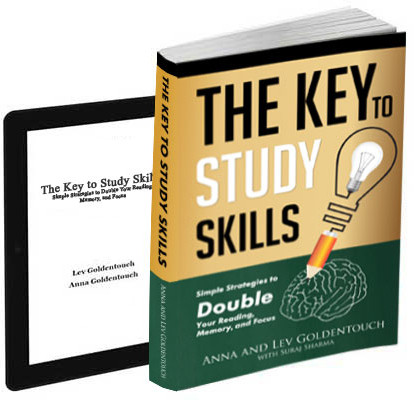
Get 4 Free Sample Chapters of the Key To Study Book
Get access to advanced training, and a selection of free apps to train your reading speed and visual memory