
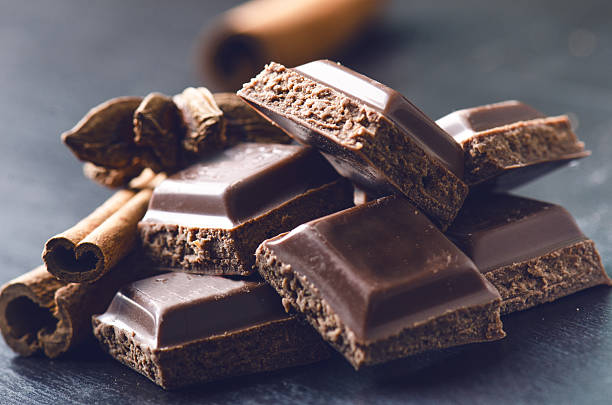
Chocolate, often referred to as the “food of the gods,” has been savored for centuries for its rich flavor and indulgent qualities. Beyond its taste, however, lies a myriad of health benefits, particularly in its darkest form. Dark chocolate, in recent years, has become the subject of numerous scientific studies that explore its potential health benefits. Two of the most fascinating areas of research are its effects on stress reduction and cognitive improvement, including memory enhancement. This article delves into the latest findings and provides detailed insights into how dark chocolate can be a beneficial addition to our diets.
Introduction
The Composition of Dark Chocolate
Dark chocolate is made from the seeds of the Theobroma cacao tree and is less processed than milk chocolate. The significant components of dark chocolate include:
- Flavonoids: These are natural compounds with antioxidant properties.
- Theobromine: A bitter alkaloid that has stimulant effects similar to caffeine.
- Magnesium and Minerals: Essential nutrients that are involved in a variety of biological processes.
- Low Sugar Content: Compared to milk chocolate, dark chocolate contains less sugar, making it a healthier option.
The Growing Interest in Dark Chocolate
The last decade has seen a surge in research concerning the health benefits of dark chocolate. With its high concentration of cocoa, dark chocolate is rich in bioactive compounds that positively impact mental and physical health. This article focuses on the latest findings related to its ability to reduce stress and improve memory, offering a comprehensive understanding of how dark chocolate can contribute to overall well-being.
Dark Chocolate and Stress Reduction
Understanding Stress
Stress is a common response to challenging situations and can manifest in various ways, including physical tension, emotional strain, and cognitive overload. Chronic stress can lead to serious health issues such as cardiovascular diseases, anxiety, depression, and a weakened immune system.
Biological Mechanisms of Stress Reduction through Dark Chocolate
Recent studies have illuminated several mechanisms through which dark chocolate can alleviate stress:
- Cortisol Reduction: Cortisol is a hormone released in response to stress. Elevated cortisol levels over prolonged periods can have detrimental effects on health. Research indicates that the flavonoids in dark chocolate can lower cortisol levels, thereby reducing stress.
- Endorphin Release: Endorphins are chemicals produced by the body to relieve pain and induce feelings of pleasure. Consuming dark chocolate can stimulate the production of endorphins, leading to improved mood and reduced perception of stress.
- Serotonin Boost: Dark chocolate contains serotonin precursors. Serotonin is a neurotransmitter that regulates mood and social behavior. Higher levels of serotonin are associated with feelings of well-being and relaxation.
Scientific Studies and Findings
In recent years, multiple studies have explored the link between dark chocolate and stress reduction:
- The Loma Linda University Study (2018): This study found that consuming as little as 40 grams of dark chocolate (70% cacao) daily over two weeks can significantly reduce cortisol levels in the body.
- Journal of Proteome Research (2021): Research published in this journal demonstrated that regular intake of dark chocolate improved the gut microbiome, which is closely linked to reduced stress levels.
- Society for the Study of Ingestive Behavior: Their annual meeting in 2023 highlighted findings that dark chocolate consumption resulted in a notable decrease in psychological stress markers.
Practical Tips for Stress Reduction with Dark Chocolate
- Moderation is Key: While dark chocolate has health benefits, it should be consumed in moderation due to its calorie content.
- Choose Quality: Opt for dark chocolate with at least 70% cocoa content to ensure a high concentration of beneficial compounds.
- Mindful Consumption: Eating dark chocolate mindfully – savoring each bite – can enhance its stress-reducing effects.
Dark Chocolate and Memory Improvement
The Science of Memory
Memory is a complex cognitive function that involves encoding, storing, and retrieving information. Memory performance can be influenced by various factors, including diet, lifestyle, and environmental conditions. As we age, memory function often declines, but certain dietary choices can help preserve cognitive health.
How Dark Chocolate Enhances Memory
Several components in dark chocolate contribute to its ability to improve memory:
- Flavonoids: These compounds are known to cross the blood-brain barrier and accumulate in regions of the brain responsible for learning and memory, such as the hippocampus.
- Increased Blood Flow: Dark chocolate has vasodilatory properties that improve cerebral blood flow, enhancing brain function.
- Anti-Inflammatory Effects: Chronic inflammation can impair cognitive function, and the anti-inflammatory properties of dark chocolate help mitigate this effect.
Latest Research on Dark Chocolate and Memory
Recent studies have provided compelling evidence on the benefits of dark chocolate for memory improvement:
- Columbia University Study (2022): This research found that older adults who consumed dark chocolate rich in flavonoids showed significant improvements in memory function and cognitive performance over a three-month period.
- Nature Neuroscience Journal (2020): A study published in this journal demonstrated that young adults who ingested high-flavanol cocoa products for three months exhibited enhanced performance in memory and other cognitive tasks. The study attributed these improvements to increased blood flow in the brain’s dentate gyrus, a part of the hippocampus associated with memory formation.
- University of Reading (2023): Researchers discovered that regular consumption of dark chocolate helped improve visual and verbal memory in middle-aged subjects. They further noted enhanced connectivity between different regions of the brain, which contributed to better cognitive function.
Examples of Cognitive Tasks Improved by Dark Chocolate
- Working Memory: The ability to hold and manipulate information for short periods, crucial for day-to-day tasks.
- Spatial Memory: Remembering the position of objects in space, which helps in navigation.
- Episodic Memory: The recall of personal experiences and specific events in time, contributing to a coherent narrative of one’s life.
Practical Tips for Enhancing Memory with Dark Chocolate
- Daily Routine: Incorporating a small amount of dark chocolate into your daily routine can be beneficial. Aim for 1-2 ounces of high-quality dark chocolate.
- Combination with Other Foods: Pairing dark chocolate with other brain-healthy foods, like nuts and fruits, can amplify its cognitive benefits.
- Lifestyle Integration: Combine dark chocolate consumption with other healthy lifestyle choices such as regular exercise, sufficient sleep, and mental exercises to maximize memory enhancement.
Analyzing the Benefits: What Makes Dark Chocolate Effective?
Role of Flavonoids
Flavonoids are pivotal in the benefits provided by dark chocolate. They perform several functions that are crucial for cognitive and stress-related health:
- Antioxidant Properties: Flavonoids neutralize free radicals, which can cause oxidative stress and damage cells, including neurons.
- Neurogenesis: Flavonoids promote the growth of new neurons and synapses, enhancing brain plasticity.
- Cerebral Blood Flow: By relaxing blood vessels and improving blood flow, flavonoids ensure that the brain receives an adequate supply of oxygen and nutrients, which is essential for optimal function.
Interaction with Neural Pathways
Dark chocolate influences various neural pathways involved in mood regulation and memory:
- The HPA Axis: The hypothalamic-pituitary-adrenal (HPA) axis is a central stress response system. Dark chocolate modulates this axis, reducing the secretion of stress hormones like cortisol.
- BDNF (Brain-Derived Neurotrophic Factor): This protein supports the survival of existing neurons and encourages the growth of new ones. Dark chocolate boosts the production of BDNF, enhancing learning and memory.
Synergistic Effects with Other Healthy Practices
Consuming dark chocolate as part of a holistic approach to health amplifies its benefits. Combining dark chocolate with other aspects of a healthy lifestyle, such as regular physical activity, a balanced diet rich in fruits and vegetables, and mental exercises, can lead to significant improvements in stress levels and cognitive functions.
Dark Chocolate: Recommendations and Considerations
Recommended Daily Allowance
- Portion Size: Experts recommend consuming 1-2 ounces (approximately 30-60 grams) of dark chocolate daily to reap its benefits without excessive calorie intake.
- Cocoa Content: Choose dark chocolate with at least 70% cocoa content to ensure a high concentration of beneficial flavonoids.
Potential Side Effects and Considerations
While dark chocolate is beneficial, it is important to be aware of potential side effects, particularly if consumed in excessive amounts:
- Caloric Density: Dark chocolate is energy-dense, and overconsumption can lead to weight gain and associated health issues.
- Caffeine Content: Dark chocolate contains caffeine, which can cause sleep disturbances or jitteriness in sensitive individuals when consumed in large quantities.
- Allergies and Sensitivities: Some individuals may be allergic to ingredients in dark chocolate or sensitive to its caffeine content.
Special Populations
- Children and Adolescents: While dark chocolate can be part of a healthy diet for young people, portion control is crucial to prevent excessive caloric intake and potential overstimulation from caffeine.
- Older Adults: Incorporating dark chocolate into the diets of older adults can support cognitive health and reduce stress. However, monitoring for potential interactions with medications is advised.
Practical Advice: Incorporating Dark Chocolate into Your Diet
Selecting the Right Dark Chocolate
Finding quality dark chocolate involves paying attention to several factors:
- Cocoa Content: Select products with 70% cocoa or higher to maximize flavonoid intake.
- Minimal Processing: Opt for minimally processed dark chocolate to preserve its beneficial compounds. Look for terms like “cold-processed” or “raw.”
- Low Sugar and Additives: Avoid dark chocolate with added sugars, fillers, or artificial ingredients.
Creative Ways to Enjoy Dark Chocolate
Incorporating dark chocolate into your diet can be both enjoyable and health-conscious:
- Snacks: Pair dark chocolate with nuts, seeds, or dried fruit for a nutritious snack.
- Beverages: Add dark chocolate shavings to your coffee or hot beverage for a rich, antioxidant boost.
- Desserts: Use dark chocolate in baked goods like cookies, brownies, or as a topping for yogurt and fruit.
Incorporating Dark Chocolate into a Balanced Diet
To ensure that dark chocolate contributes positively to your health, it should be part of a balanced diet:
- Complement with Other Superfoods: Include other flavonoid-rich foods like berries, green tea, and apples to create a synergistic effect.
- Healthy Fats and Proteins: Balance your diet with sources of healthy fats (like avocados and olive oil) and proteins (lean meats, fish, legumes) to support overall well-being.
- Hydration and Fiber: Maintain adequate hydration and fiber intake to support digestive health, which also impacts cognitive function.
Conclusion
Dark chocolate, rich in flavonoids, theobromine, and other bioactive compounds, offers a delectable way to improve mental health. The latest research underscores its potential in reducing stress and enhancing memory, with biological mechanisms involving cortisol modulation, endorphin release, improved blood flow, and neurogenesis. By incorporating high-quality dark chocolate into a balanced diet and healthy lifestyle, individuals can harness these benefits and contribute to their overall well-being.


Get 4 Free Sample Chapters of the Key To Study Book
Get access to advanced training, and a selection of free apps to train your reading speed and visual memory