

In today’s fast-paced world, where information is constantly bombarding us from all angles, it can be easy to overlook the simple joys of reading fiction. While non-fiction books and articles serve the purpose of informing and educating, fiction offers something uniquely valuable. This article delves into why you should read fiction, exploring ten significant benefits that can enhance your life in ways you might not have considered.
What is Fiction Reading?
Fiction reading involves engaging with stories that are created from the imagination, as opposed to being strictly based on facts or real events. These stories can range from novels, short stories, and novellas to plays and poems. Fiction allows readers to step into different worlds, experience various emotions, and see life through the eyes of characters who may be entirely different from themselves. It’s an exercise in creativity, empathy, and understanding, making it a critical component of a well-rounded reading habit.
Reading Fiction vs. Non-Fiction
While both fiction and non-fiction have their merits, they serve different purposes. Non-fiction is typically informative, aiming to convey facts, data, and real-life events in a straightforward manner. It’s the go-to genre for those seeking to learn about a particular subject, gain insights into real-world issues, or stay informed about current events.
On the other hand, fiction is often viewed as a form of entertainment, but it goes far beyond that. Fiction allows for exploration of the human condition, emotions, and experiences that might be hard to convey through non-fiction. It offers a safe space to explore complex ideas and scenarios, making it a powerful tool for personal growth and development.
Benefits of Reading Fiction
1. Reading Fiction Fuels Creativity and Enhances Judgment
When you read fiction, you engage with stories that often require you to think creatively. Whether it’s a plot twist you didn’t see coming or a character’s decision that surprises you, fiction challenges you to think outside the box. This creative stimulation doesn’t just stay within the confines of the story; it spills over into your everyday life, helping you approach problems and challenges with a fresh perspective.
Moreover, fiction requires you to make judgments about characters, plot developments, and moral dilemmas. This constant engagement with hypothetical situations sharpens your judgment and decision-making skills, enabling you to better navigate the complexities of real life.
2. Expanding Your Imagination Through Fiction
One of the most celebrated benefits of reading fiction is its ability to expand your imagination. When you immerse yourself in a fictional world, you are forced to visualize settings, characters, and events that are entirely new to you. This mental exercise strengthens your ability to imagine possibilities, whether they are related to your personal life, career, or creative endeavors.
Imagination is the bedrock of innovation and problem-solving. By regularly reading fiction, you train your mind to think creatively and envision outcomes that might not be immediately apparent. This imaginative capacity can be a powerful tool in any field, from the arts to science and technology.
3. Cultivating Empathy Through the Pages of Fiction
Fiction has a unique ability to foster empathy by allowing readers to step into the shoes of different characters. When you read about a character’s struggles, triumphs, and emotions, you experience those feelings as if they were your own. This deep connection with fictional characters enhances your ability to empathize with others in real life.
Some ways fiction helps build empathy include:
-
Experiencing diverse perspectives: Reading stories from various cultural and social backgrounds broadens your understanding of different life experiences.
-
Understanding complex emotions: Fiction delves into the intricacies of human emotions, helping you recognize and relate to them in others.
-
Strengthening emotional intelligence: By identifying with characters, you develop a heightened sensitivity to the emotions and needs of those around you.
4. Fiction Readers Enjoy a Longer, Healthier Life
Believe it or not, reading fiction can contribute to a longer life. Research has shown that regular readers, particularly those who read fiction, have a lower risk of mortality compared to non-readers. The cognitive engagement required by fiction stimulates the brain, helping to keep it healthy and active.
Additionally, the relaxation and stress relief that come from getting lost in a good book can have significant health benefits. Reduced stress levels are linked to lower blood pressure, improved heart health, and a stronger immune system—all factors that contribute to longevity.
5. Enhancing Social Skills Through Fictional Narratives
Fiction often portrays complex social interactions, presenting readers with various perspectives on human behavior and relationships. By reading about these interactions, you gain insights into social cues, communication styles, and interpersonal dynamics.
This exposure to different social scenarios can improve your social skills, making you more adept at navigating conversations, resolving conflicts, and building meaningful connections with others. Whether in a professional setting or personal relationships, the social intelligence gained from fiction can be invaluable.
6. Deepening Our Understanding of the World
Fiction provides a unique lens through which we can explore the world and its many facets. Through stories set in different cultures, time periods, and societies, fiction offers insights into ways of life that may be unfamiliar to us. This broadened perspective can lead to a greater appreciation for diversity and a deeper understanding of global issues.
By reading fiction, you can explore complex themes such as justice, morality, and human rights in a way that is both engaging and thought-provoking. This deeper understanding of the world can make you more informed and empathetic, qualities that are increasingly important in today’s interconnected global society.
7. Better Sleep Through Regular Fiction Reading
If you struggle with sleep, incorporating fiction reading into your nightly routine might be the solution. Unlike screen time, which is known to interfere with sleep, reading fiction can help you unwind and relax before bed. The act of reading slows down your mind, allowing you to escape from the stresses of the day and enter a more restful state.
Moreover, fiction has a way of transporting you to another world, providing a mental escape that can help you disconnect from the worries and anxieties that might keep you awake at night. This pre-sleep ritual can improve the quality of your sleep, leaving you feeling more refreshed and energized the next day.
8. Boosting Memory Through Fictional Stories
Engaging with fiction requires you to keep track of various elements, such as characters, plot lines, and settings. This mental juggling act is an excellent workout for your memory. As you read, you constantly recall details from previous chapters, connect them with new information, and anticipate future developments.
This mental exercise strengthens your memory and cognitive function, making it easier to remember details in your everyday life. Whether it’s recalling important information at work or remembering a friend’s birthday, the memory-boosting benefits of fiction can enhance your mental sharpness in all areas.
9. Enriching Vocabulary Through Fictional Worlds
Reading fiction is one of the most effective ways to build and enrich your vocabulary. Unlike non-fiction, which often sticks to a specific subject or jargon, fiction exposes you to a wide range of language and expressions. From poetic descriptions to character dialogues, fiction introduces you to new words and phrases in a natural context.
Benefits of reading fiction for vocabulary development include:
-
Encountering varied language styles: Fiction spans genres and authors with distinct voices, each offering a different language experience.
-
Learning through context: Words and phrases encountered in fiction are often easier to understand and remember because they are presented in context.
-
Improving language fluency: A richer vocabulary enables more articulate and expressive communication, both in writing and conversation.
10. Making the Most of Your Time with Fiction
In a world where time is a precious commodity, how you choose to spend your leisure time matters. Reading fiction is a rewarding and enriching way to make the most of your free time. Unlike passive activities such as watching TV, reading fiction actively engages your mind, providing both entertainment and intellectual stimulation.
By choosing to read fiction, you are investing in your personal growth, creativity, and well-being. It’s a productive and fulfilling way to spend your time, offering benefits that extend far beyond the momentary pleasure of getting lost in a good book.
Conclusion
Why You Should Read Fiction becomes clear when you consider the numerous benefits it offers. From enhancing creativity and empathy to improving memory and social skills, fiction reading is a powerful tool for personal development. Whether you’re looking to relax, expand your imagination, or deepen your understanding of the world, fiction provides a wealth of opportunities to enrich your life.
So, the next time you’re considering what to do with your free time, reach for a work of fiction. Not only will you be entertained, but you’ll also be reaping the many benefits that come with this timeless and rewarding activity.

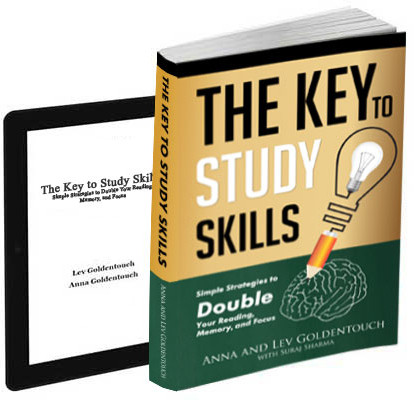
Get 4 Free Sample Chapters of the Key To Study Book
Get access to advanced training, and a selection of free apps to train your reading speed and visual memory