

Key Obstacles to Accelerated Learning and How to Overcome Them
Accelerated learning promises rapid progress and deep understanding, but most learners only truly become adept after confronting several internal challenges. Changing long-established habits and mindsets is rarely simple, but the rewards of mastering accelerated learning are immense. Below, we explore some of the most common obstacles learners face on this journey and share practical strategies to overcome them. For deeper insights, explore the four stages of training for accelerated learning and learn which skills are essential for success in this guide.
Laziness and the Passive Learning Trap
The largest hurdle by far is laziness or a passive attitude towards learning. Many students fall into the mindset of “I paid for the course, so now the knowledge should just come to me.” This expectation is unrealistic because accelerated learning requires active engagement and effort.
Effective accelerated learning is a partnership between the teacher and the learner, where the student must put in consistent work outside the classroom or training modules. Without this commitment, progress stalls. It helps to remember that accelerated learning isn’t about shortcuts or magic pills; it’s about optimized strategies combined with active practice.
If you find yourself struggling to stay motivated, it may help to explore how curiosity fuels learning and why rekindling your natural inquisitiveness can be a powerful way to overcome laziness.
Doubt and Low Self-Esteem: Patience Is Key
Many learners get discouraged because their progress doesn’t meet their expectations. Some feel like giving up when they don’t see immediate results, while others might be overwhelmed by the sheer amount of new material. Both scenarios stem from a common source: doubt in one’s ability.
In accelerated learning, it is essential to cultivate patience and self-compassion. Everyone has unique strengths and weaknesses, and learning paths aren’t linear. What works quickly for one person may take longer for another.
If you find yourself doubting your progress, remember that steady and consistent practice wins the race. Some students even report progressing faster than anticipated once they build foundational skills and start applying them effectively. For more on managing expectations and building confidence, check out this article on accelerated learning misconceptions.
Perfectionism: Knowing When to Stop
Perfectionism can be a silent killer of progress. Learners often get stuck trying to achieve flawless results before moving forward. In accelerated learning, perfection is not the goal; effective retention and comprehension are.
For example, when using visual markers or memory techniques, there is no perfect marker. A marker either works well enough to trigger recall, or it doesn’t. Spending excessive time refining every detail leads to frustration and burnout.
Similarly, when speed reading or practicing comprehension, aiming for 100% retention on the first try is unrealistic. Around 80% retention is sufficient to build momentum, with the rest improving gradually through repeated exposure and practice.
You don’t have to exhaust all training resources at once or strive to get a perfect score in every exercise. Instead, choose a balanced mix of methods that develop all the necessary skills over time.
Technical Issues and FAQs
Learners frequently encounter technical difficulties in their accelerated learning journey. Below are some common questions along with practical solutions:
- Q: “I cannot visualize at all.”
A: Try using hyperlinking techniques — linking visual markers together can help build a mental map even if pure visualization is challenging. For ideas on visual markers, explore fun visual markers techniques or learn how to create your own visual markers. - Q: “I get emotionally exhausted.”
A: Use stylized markers to reduce emotional overload. Creating markers with humor or lighthearted elements can make learning more enjoyable. - Q: “I get physically exhausted.”
A: Try the Pomodoro technique — break study time into focused bursts with regular breaks to refresh your mind and body. - Q: “I read texts too complex for speedreading.”
A: Supplement with blogs or simpler articles to gradually build speed and comprehension before tackling harder texts. For example, explore articles like Using Google for Memorization and Visual Dictionaries to build your vocabulary and context knowledge. - Q: “I watched all the lectures. Now what?”
A: Now start practicing actively. Watching without doing won’t lead to lasting results. - Q: “I read very fast but subvocalize one word per line.”
A: This is a good marker. Awareness of subvocalization helps you consciously reduce it over time.
Practical Next Steps: Training for Accelerated Learning
Accelerated learning is a skill that develops through staged training. Understanding these stages can help you set realistic goals and track progress:
- Awareness: Realizing the potential and methods of accelerated learning.
- Understanding: Grasping the skills and strategies required.
- Practice: Applying techniques consistently to build habits.
- Mastery: Internalizing accelerated learning so it becomes second nature.
Supercharge Your Learning with Our Accelerated Learning Course
If you’re ready to take your learning to the next level, consider enrolling in our comprehensive Accelerated Learning Mini-Course. This course covers essential techniques, mindset shifts, and practical exercises to fast-track your progress.
By combining proven memory methods, speed reading, visualization, and focused practice, you’ll build confidence and skill faster than you ever thought possible.
Stay Connected and Keep Growing
Learning is a lifelong journey, and being part of a supportive community can make all the difference. Join us on our Facebook page to connect with fellow learners, share tips, and get updates on new resources.
Accelerated learning isn’t magic — it’s about understanding and overcoming obstacles like laziness, doubt, and perfectionism while applying the right techniques consistently. With patience, curiosity, and the right tools, anyone can become a proficient accelerated learner.

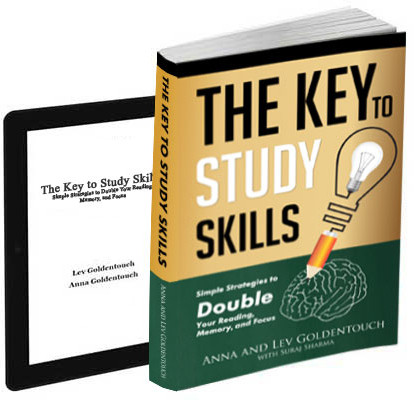
Get 4 Free Sample Chapters of the Key To Study Book
Get access to advanced training, and a selection of free apps to train your reading speed and visual memory