
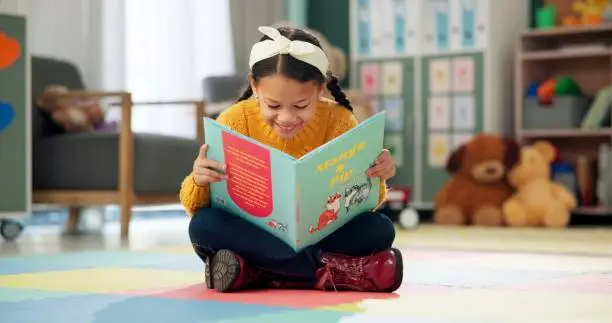
At the start of the academic year, innovative and fun ways of involving students in reading can be of great help to their learning. “Back to school reading activities” are very important as they will bring back the euphoria of reading after a break and thus help the young brains in moving unswervingly along with the academic journey. Even at the initial stage of school life or when they have lately become middle school students, students can make their linguistic skills, creativity, and love for learning more intense and long-lasting through highly enjoyable reading drills. The present write-up features the ten reading activities that are both promising and widely intriguing. These activities can be the most effective in awakening students’ entangled feelings of illiteracy and becoming the talk of the town among themselves, and reading is surely not a one-time event but a repeated thing that keeps us updated with things.
1. Making a Regular Reading Schedule
Building a repeated routine around reading has proved to be an exigent thing among the most effective “back to school reading activities” and is the one that paves the way. We are all in the situation that we have to return to school, which is when we have experienced the leisure of summertime, to the schedule which is the work time. Therefore, if we arrange and follow a daily reading schedule at home or in the classroom step by step, the children will be the beneficiaries that gain in focus and regularity the most.
The good thing about middle school, where it’s expected that the challenges of maintaining many subjects and assignments are upon the,m is that other than the gaining of reading ability, reading time will also afford to them the necessary being organized, in short, multitaskers. As a result, teachers can, among other things, allow students to keep records of what they read, check the state of their performance, and decide achievable goals that become an incentive for them to regularly.
Furthermore, if a student has a daily reading schedule that is clear in structure, this activity can become a very interesting and curious one where school children will be able to try a great number of genres and materials beyond their common classroom or library that will help them to learn to think critically. This activity becomes particularly useful when paired with “first day of school activities middle school,” where students can share their favorite books and discuss why those stories captivated them.
2. Crafting a Personalized Reading Space
Sometimes, all it takes is simply setting up a reading nook that looks and feels inviting, and the lackluster task of being a reader can be turned into something that people cherish. By setting up the space in a way that reflects their personalities and tastes, students are more likely to be engaged with and hence be motivated enough to read.
Also, the idea that students are allowed to decorate their reading corners or classes with their favorite books, quotes, and even cozy seating arrangements is the type of idea that can turn the learning environment into a very energetic one indeed. When the classroom is no longer an option for students, they can still read and study in the comfort of their homes, with parents setting up a space where they can sit, read, and discuss.
Especially, if students are given the right to arrange their reading corner whatever way they see fit, they will feel free to express themselves and create personalized reading spaces, which, in turn, will nurture their taste and love for reading, thus, promote literacy skills for life.
3. Surrounding Students with Literature
The first thing that every reading program should ensure is that students are familiar with an old saying: “By surrounding yourself with good books, you feed your soul. This is exactly the aim of the educators when they decide to cluster the school with numerous rich literary sources. To change the old practice, student households and school classrooms need to be stocked with different types of reading materials that would be used to make room for the diverse interests and reading abilities of children.
Teachers can put up a variety of genres, such as fiction, non-fiction, and poetry, available to students in the classroom library. The students are the ones who are most likely to recommend the books, thus, that would be the first via media to create a collaborative and inclusive atmosphere that will foster the vital element of the literacy teacher-students relationship, which is recommendation. Moreover, the home of the child should have a wide collection of books for this purpose, and the parents can help it.
A good way to build interest in reading is to establish book exchanges where students hand over their best-loved books. This correlates nicely with the “first day of school middle school activities” as children participate if it means they are interacting socially and collaborating while simultaneously reading among themselves.
4. Reading Through Role-Playing
Bringing role-playing to the reading activities is an effective method that can bring the most active involvement during the “back to school reading activities” Lessons. Students can express the actions, attitudes, and words of their beloved stars in these series, thus making their roles in understanding characters, plot, and dialogue more interesting. Along with students, teachers can engage students in creating scripts or even rehearsing and performing the plays if they are short plays or dictate their characters based on the story themes.
This method becomes very effective when the students in the “first day lesson ideas” are encouraged to work in groups and perform short dramatizations. It will enhance the students’ creativity and promote teamwork and interest in the matter, thereby changing the reading process from passive to active and more lively as well.
5. Building Vocabulary Through Story Challenges
Enhancing vocabulary can be a fun experience when tied to storytelling. Teachers can create activities where students write short stories using a specific set of words, particularly those they have recently learned. This playful approach helps reinforce new vocabulary in a meaningful context.
Parents are able to make a big contribution by getting the kids to invent stories on the spot, say in the car or a waiting room. Spontaneous storytelling is not only a vocabulary booster but helps to develop imagination and linguistic skills.
6. Reading Competitions and Book Reviews
What motivates the children most of all is the mutual desire for the victory. A reading contest that is organized and where the children keep a record of the books read during a certain period can be an incredibly inspiring exercise. Teachers, furthermore, can use both rewards and recognition systems to honor the students who have reached their reading targets.
The other part of the plan involves students writing book reviews, or giving oral presentations about their favorite books, both of which can make a big difference in their analytical skills. This tactic also goes well with the article called “back to school reading activities for improving critical thinking and communication skills.”
7. Incorporating Multimedia Elements
Where traditional reading and multimedia resources are used together, the reading experience becomes even more beneficial. Teachers can diversify their choice of audio-books, podcasts, and animated storytelling sessions besides making use of written material. Furthermore, students can also design visual presentations or digital storytelling projects to match the books they read.
By mixing up the text with, for example, audio or video learning a more accessible way of presenting the text is achieved. Also, it is a key factor that makes it possible to offer a variety of presentations, styles, and modes that boost the enjoyment and inclusive feeling of each student. It is a unique method for activities held, for example, on the “first day of school of middle school,” because this presentation diversity is suitable for different preferences.
8. Designing a Year-Long Reading Adventure
To provide a comprehensive approach to “back to school reading activities,” teachers can lay out a year-long reading adventure that has room for different genres, themes, and styles. A reading roadmap shaped by the checkpoints can make it easier for students to see their progress and keep them engaged throughout the school year.
Similarly, with this tour, students are free to engage with all sorts of creative writing prompts, have peer review sessions, and create book-related art projects that can bring out real joy. Students staying on track and parties held to mark the milestones can act as motivators for students to stick to their reading goals.
9. Hosting Book-Themed Art Projects
Bringing in a creative process like that of art and combining it with reading is a highly productive and imaginative method to engage pupils in “back to school reading activities.” Students could choose a favorite book and make drawings, paintings, or digital art inspired by the characters, scenes, or themes they liked the most. This cross-curricular method will not only help them navigate the text at a deeper level but also allow them to express their ideas artistically.
The teachers can display these items in the classroom or arrange an art exhibition where the students could do the presentation of their works and tell us how their art pieces reflect the stories they read. This activity is especially important for “first day of school activities middle school,” since it encourages not only artistic expression but also literary analysis.
10. Implementing Peer-Led Reading Sessions
One of the most fundamental ways to motivate students for the future is to make them leaders. Teachers can help students become more confident speakers by organizing peer-led reading groups, they can stimulate comprehension of the topics through discussions, and they can also promote interpersonal skills by being able to work harmoniously with each other.
During the group session, students act as discussion leaders by asking questions and leading their colleagues in the direction of tough texts. This kind of a role not only makes reading more cooperative but it also provides the means of learning through different angles and opinions. This pedagogical method is proven to be most effective when used as a part of the “first day lesson ideas” in which students can become acquainted from the first day by sharing a reading experience and through teamwork come to a close relationship a bit later in the year.
Conclusion
Integrating fun “back to school reading activities” can cause a significant shift in students’ attitudes when it comes to reading. By the support of new methods of learning, creating a precise and structured order, and also through the use of technology, both tutors and parents can guarantee a lasting and constant love for reading in the minds of our children. Be it interactive storytelling, a variety of games, or role-playing, these activities will go a long way in improving the comprehension of the students. Besides these, they will also enhance creativity, imagination, and other literacy skills. By making reading enjoyable, students will certainly have a more successful and satisfying academic journey.


Get 4 Free Sample Chapters of the Key To Study Book
Get access to advanced training, and a selection of free apps to train your reading speed and visual memory