
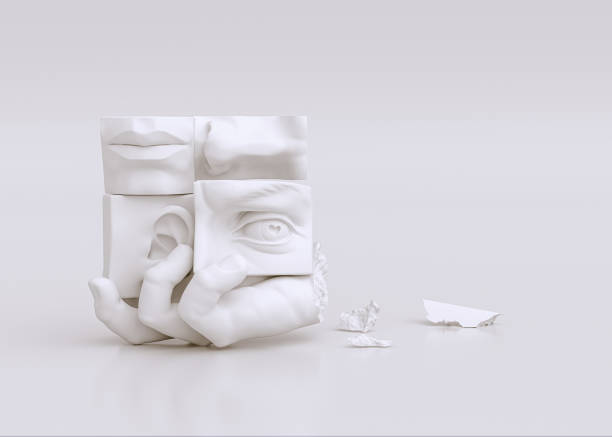
Creativity is an enigmatic force that drives innovation, shapes culture, and propels human progress. It is the spark that ignites the engine of invention and the brush that paints the canvas of art. While creativity may seem like a mystical quality possessed by a select few, it is an innate capability within all of us. By understanding how our senses influence creativity, we can learn to harness and enhance this powerful trait. This article delves into the intricate relationship between our sensory experiences and our capacity for creativity, offering insights and practical tips for leveraging our senses to amplify our creative potential.
What is Creativity?
Divergent and Convergent Thinking
Creativity, often described as the ability to produce original and valuable ideas, encompasses a wide range of activities, from artistic expression to scientific discovery. It involves the process of making connections between seemingly unrelated concepts, resulting in novel and insightful solutions. At its core, creativity is about thinking outside the box and challenging conventional boundaries. It is not limited to the arts; creativity plays a crucial role in various fields, including technology, business, education, and healthcare.
- Divergent Thinking: This type of thinking is characterized by the ability to generate multiple ideas and explore many possible solutions. Techniques like brainstorming and freewriting are tools that aid in divergent thinking.
- Convergent Thinking: In contrast, this involves narrowing down these possibilities to find the best solution. Critical thinking and evaluation are central to this process.
Creativity Across Different Fields
- Artistic Creativity: Involves visual arts, music, dance, and literature.
- Scientific Creativity: Involves innovation in research, hypotheses, and models.
- Business Creativity: Involves strategic thinking, problem-solving, and entrepreneurship.
Why Should We Try to Boost Our Creativity?
Personal Benefits
Boosting creativity has numerous benefits that extend beyond personal fulfillment. For individuals, enhanced creativity can lead to improved problem-solving skills, increased adaptability, and a greater sense of well-being. It fosters self-expression, enabling people to communicate their thoughts and emotions more effectively.
- Enhanced Problem-Solving: Being creative allows for innovative solutions to personal and professional challenges.
- Increased Adaptability: Creative people tend to adapt better to changes and new environments.
- Self-Expression: Offers a medium to express personal thoughts and emotions, improving mental health.
Professional Advantages
On a professional level, creativity is a valuable asset. In a rapidly evolving world, businesses and organizations that prioritize creativity are more likely to innovate and succeed. Creative employees are better equipped to tackle complex challenges, develop unique solutions, and drive growth. In education, fostering creativity among students prepares them for future challenges and encourages lifelong learning.
- Innovation in Business: Creative thinking drives product development, marketing strategies, and business models.
- Problem Solving in Professions: Enhances capacity to find unique solutions in fields like engineering, medicine, and law.
Societal Impact
Moreover, creativity has a significant impact on society as a whole. It drives cultural evolution, promoting diverse perspectives and fostering a richer, more inclusive world. By boosting creativity, we contribute to a collective pool of ideas that can address global challenges, from environmental sustainability to social justice.
- Cultural Evolution: Creativity fosters diversity and cultural richness.
- Global Problem-Solving: Innovative ideas can address issues like climate change, poverty, and social injustice.
How Our Senses Influence Creativity
Our senses—sight, sound, touch, taste, and smell—serve as gateways to the external world, providing us with vital information about our environment. These sensory experiences not only shape our perception but also play a crucial role in the creative process. Understanding how our senses influence creativity can help us create environments and practices that enhance our creative potential.
The Visual Sense and its Impact on Creativity
Visual stimuli are powerful triggers for creativity. The visual sense, encompassing everything from color and light to shapes and motion, significantly influences our cognitive processes. Exposure to diverse visual environments can stimulate the brain’s creative pathways, fostering innovative thinking.
Key Points on Visual Influence:
- Color Psychology: Colors have a profound impact on emotions and creativity.
- Blue: Enhances calmness and cognitive creativity.
- Red: Promotes alertness and precision.
- Natural Environments: Spending time in nature can boost mood and creativity.
- Rich Visual Elements: Complex and unpredictable landscapes stimulate divergent thinking.
- Visual Art and Design: Engaging with art can trigger new ideas and perspectives.
The Auditory Sense: Sounds that Spark Creativity
Sound is a ubiquitous element of our environment, and it has a significant impact on our creative abilities. Different types of sounds can either enhance or hinder creative thinking, depending on their characteristics and context.
Key Points on Auditory Influence:
- Background Noise: Moderate background noise can promote abstract thinking.
- Stochastic Resonance: Subtle distractions can enhance cognitive processing.
- Examples: The gentle hum of a coffee shop or the soft rustling of leaves.
- Music: Different genres can activate various brain regions involved in creative thinking.
- Complex Structures: Classical and jazz music stimulate neural pathways.
- Emotional Evocation: Music evokes emotions, which are crucial in the creative process.
The Tactile Sense: Feeling Your Way to Creativity
The sense of touch, or tactile perception, is often overlooked but plays a vital role in the creative process. Physical interaction with the environment and materials can stimulate creativity by providing sensory feedback and enhancing spatial awareness.
Key Points on Tactile Influence:
- Hands-On Activities: Engaging in tactile activities like drawing, sculpting, or crafting can enhance creativity.
- Material Exploration: Different textures and materials can inspire new ideas.
- Sensory Feedback: Physical manipulation provides immediate feedback and promotes iterative thinking.
- Mindfulness and Tactile Perception: Mindfulness practices involving touch, such as using stress balls or tactile meditation, can reduce stress and clear mental blocks.
- Tactile Learning: Incorporating sensory experiences into learning can enhance memory and understanding, fostering creativity.
The Olfactory Sense: Scents that Ignite Creativity
The sense of smell, or olfaction, is directly linked to the brain’s limbic system, which is responsible for emotions and memory. Scents can evoke strong emotional responses and memories, playing a significant role in the creative process.
Key Points on Olfactory Influence:
- Aromatherapy: Certain scents like lavender and rosemary can reduce stress and enhance mental clarity.
- Lavender: Known for its calming properties, it can reduce anxiety and stress.
- Rosemary: Increases alertness and improves memory.
- Memory and Emotions: Scents can trigger vivid memories and emotions, providing rich material for creative exploration.
- Scent Associations: Smells associated with positive or significant memories can enhance creative thinking.
- Creative Spaces: Incorporating pleasant scents into creative workspaces can foster a conducive environment for creativity.
The Gustatory Sense: Taste as a Creative Catalyst
Although taste might seem the least connected to creativity, it has a unique ability to influence our mood and cognitive functions. The gustatory sense can be a powerful yet often underutilized tool in sparking creativity.
Key Points on Gustatory Influence:
- Flavor Diversity: Trying new and diverse flavors can stimulate the brain and enhance creativity.
- Culinary Exploration: Experimenting with different cuisines can inspire new ideas and perspectives.
- Mindful Eating: Paying attention to the sensory experience of eating can enhance mindfulness and reduce mental clutter, fostering a creative mindset.
- Nutritional Impact: Certain foods can boost brain function, aiding cognitive processes essential for creativity.
- Examples: Dark chocolate (enhances brain function and mood), nuts (rich in antioxidants and healthy fats), and berries (improve cognitive functions).
Conclusion
Understanding how our senses influence creativity can empower us to create environments and adopt practices that maximize our creative potential. By consciously integrating sensory experiences into our daily lives, we can unlock new levels of innovation and insight. From the visual delights of nature and the auditory stimulation of music to the tactile engagement with materials and the olfactory and gustatory experiences that evoke memories and emotions, our senses play a pivotal role in shaping our creative processes.
Remember, How Our Senses Influence Creativity is not just a theoretical concept but a practical guide to enhancing our creative capabilities. Whether you are an artist, scientist, entrepreneur, or educator, recognizing the power of sensory experiences can lead to groundbreaking ideas and solutions. So, the next time you seek inspiration, pay attention to your surroundings and the sensory inputs you encounter. Embrace the full spectrum of sensory experiences, and you might just find that your creativity soars to new heights.

Get 4 Free Sample Chapters of the Key To Study Book
Get access to advanced training, and a selection of free apps to train your reading speed and visual memory