People who are vulnerable or emotionally hurt tend to make poor decisions. Addiction, depression, social status, criticism and some other things can influence individuals and whole societies to choose a path of self-destruction. We live in a society that drives us to be productive beyond our capabilities, so this article is relevant for most of …
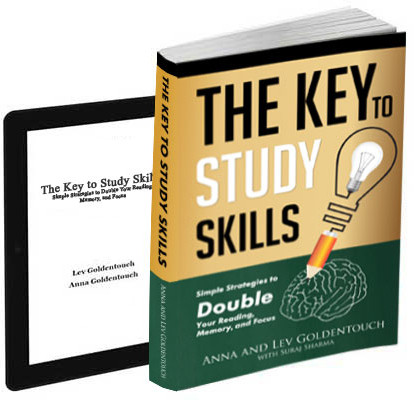
KeyToStudy Offers:
Memory, Speedreading, and Analysis
KeyToStudy Overview:
Memory, Speedreading, and Analysis
ProlificFocus Overview:
Productivity, Motivation, and Projects
ProlificFocus Offers:
Productivity, Motivation, and Projects
Neurotic life, resilience and handling stress
I am probably a neurotic person. For sure I react to stressors. Fortunately, I am also sufficiently intelligent to channel my anxieties in a constructive way. In this article, I share my personal ways to deal with neurotism backed up by scientific research. For more information check out here, here, here, here, here, here, here …
Continue reading “Neurotic life, resilience and handling stress”
Funny, animals, and scientists
Every year, my April 1st article is dedicated to humor. Humor is very basic to what makes us humans. Babies laugh well before they can walk and talk. Some animals, like rats and apes, are also capable of laughter. Some scientists claim this is a side-effect of the mirror neurons which can be responsible for …
Benefits of writing fiction
Most of my writing is non-fiction. I have a friend who often tells me I really should write a fiction story. SOme of his arguments make sense. You can read more about benefits of writing fiction here, here, here, and here. Improved learning by writing We learn actively. Writing is an activity that forces us …
Man and machine working together
Man invented tools at the dawn of history. For millennia these tools were improved and redesigned, until today, for the first time in human history, these tools might be smarter than us. Super-smart computers are scary and unpredictable. There are reasons both for concern and for optimism. You are welcome to read more here, here, …
Productive procrastination
Sometimes we procrastinate. This can be a bad thing and a good thing. In this article, I argue in favor of smart procrastination. For more reading check out here, here, here, and here. Having a shady plan Sometimes our plans do not go well with who we are and what we desire. Not all plans …
Seven Ways That Make Your Writing Funnier
Indifference and boredom are just the opposite of what we teach. If you can write in a funny way, you can think and visualize in a funny way and remember better. If you can make a provoking argument and get an emotional reaction, it will help you remember. This particular guest post by William Grigsby shows …
Continue reading “Seven Ways That Make Your Writing Funnier”
The escape plan
Productivity burnout is one of my favorite subjects, maybe because I had several close encounters with the phenomenon. I suffered work-related burnout periods more than once, and so did most of my students and friends. Each time I address the subject, I choose a slightly different perspective. Hope there will be some new ideas in …
Why Authenticity is an Essential Element for the Writer’s Personal Brand
Honesty and personal style are very importand for any creative work, including effective memorization practice. They can also be very important for effective communication and your career. A professional writer and marketer Jade Parker argues that anyone can develop true authenticity following very simple guidelines, at least when writing. Try to see if you can apply …
Continue reading “Why Authenticity is an Essential Element for the Writer’s Personal Brand”
How to Implement Design Thinking in the Classroom
You have probably noticed, that around 50% of our new content is dedicated to guest articles. Brenda Savoie is a private English tutor and desperate dreamer. Writing her first romantic novel. Check her blog Best Writing Clues. Find her on Twitter and Facebook. This particular subject was chosen for several reasons. First, it is very …
Continue reading “How to Implement Design Thinking in the Classroom”