

In an increasingly connected world, digital literacy has become as fundamental as reading and writing. Students today must navigate complex digital landscapes, discern credible information from misinformation, and use technology responsibly. As educational institutions adapt to this reality, understanding how to effectively integrate digital literacy into curricula has never been more critical. This transformation requires thoughtful implementation, ongoing professional development, and a commitment to preparing students for a technology-driven future.
The Foundation of Digital Literacy
Digital literacy extends far beyond basic computer skills. It encompasses the ability to find, evaluate, utilize, and create information using digital technologies. Students must learn to critically assess online sources, understand digital citizenship, and recognize the implications of their online presence. Teachers play a pivotal role in modeling these behaviors and creating learning environments where students can practice digital skills safely. The foundation includes understanding how algorithms work, recognizing bias in digital content, and developing healthy relationships with tech. These competencies prepare students not just for academic success, but for meaningful participation in a democratic society.
Integrating Digital Tools Effectively
Successful integration of digital literacy requires more than simply providing devices to students. Educators must thoughtfully select tools that enhance learning objectives rather than distract from them. This means evaluating applications and platforms for their pedagogical value, accessibility features, and alignment with curriculum standards. Professional development opportunities help educators stay current with emerging technologies and teaching strategies.
Schools should establish clear guidelines for technology use that balance innovation with student safety and privacy. When implemented strategically, digital tools can personalize learning experiences, facilitate collaboration, and provide immediate feedback that supports student growth.
Addressing the Digital Divide
Despite technological advances, significant disparities persist in access to digital resources. Students from lower-income families often lack reliable internet access and personal devices, creating barriers to full participation in digital learning. Schools must work to bridge this gap through device lending programs, community partnerships, and advocacy for broadband expansion. Educators should design lessons that accommodate varying levels of access, ensuring that digital literacy instruction doesn’t inadvertently widen achievement gaps. Addressing these inequities requires coordinated efforts among schools, policymakers, and community organizations committed to educational justice.
Preparing Students for Future Careers
The workplace of tomorrow will demand sophisticated digital competencies across virtually all industries. Students need exposure to coding, data analysis, digital communication, and problem-solving using technological tools. Career and technical education programs should incorporate current industry standards and provide hands-on experiences with relevant software and platforms. Partnerships with local businesses can offer students authentic learning opportunities and mentorship. By prioritizing digital literacy, schools prepare graduates who can adapt to rapidly changing technological landscapes and contribute meaningfully to innovation in their chosen fields.
Conclusion
Digital literacy education represents a fundamental shift in how we prepare students for their futures. By building strong foundations, integrating tools thoughtfully, addressing access inequities, and connecting learning to career readiness, educators can ensure that all students develop the competencies they need to thrive. This work requires ongoing commitment, collaboration, and willingness to evolve alongside technological change. When schools prioritize digital literacy, they empower students to become informed, responsible, and capable participants in an increasingly digital world.

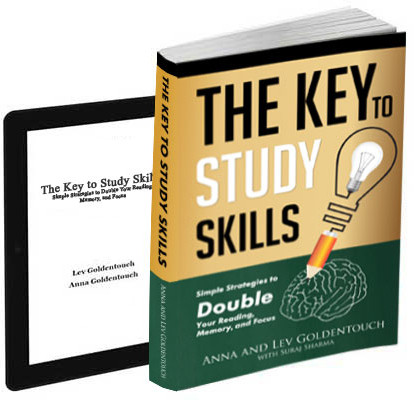
Get 4 Free Sample Chapters of the Key To Study Book
Get access to advanced training, and a selection of free apps to train your reading speed and visual memory