

Shaping Kids’ Brains for Success: A Balanced Approach to Nurturing Young Minds
As we approach the release of our comprehensive series, How to Raise Accelerated Learners, one question keeps coming to mind: to what extent is shaping a child’s brain for success a natural process, and how much can deliberate guidance influence it? This balance between nature and nurture is at the heart of child development debates, educational theories, and parental choices.
As we approach the release of the content, How to Raise Accelerated Learners, I continue reflecting on how much shaping kids’ brains for success is natural versus guided. The debate is intriguing, with different educational philosophies offering unique perspectives.
Montessori, Polgar, and Adler: Different Philosophies in Nurturing Potential
On one side of the discussion, the Montessori method emphasizes allowing the child to explore and discover their inner potential naturally, fostering independence and self-directed learning. This approach, founded by Maria Montessori, focuses on creating prepared environments where children can engage in hands-on activities at their own pace. You can explore more about this philosophy here.
Conversely, the story of the Polgar family — where a Hungarian father, László Polgar, intentionally raised his daughters to become chess champions — highlights a more intense, deliberate method of shaping potential through focused training and practice.
In between these approaches is Adler’s balanced philosophy, which advocates supplementing regular schooling with a broad range of extracurricular activities to develop well-rounded skills. This resonates with the Paideia Proposal, a comprehensive educational framework emphasizing intellectual coaching, didactic instruction, and active learning to nurture critical thinking and lifelong curiosity. More on this can be found here.
For our children, we chose Adler’s approach because it seemed a safe and flexible path. While it’s too early to tell what kind of adults they will become, we feel it’s vital to model the same learning habits we use ourselves.
Developmental Support and the Role of Extracurricular Activities
From birth to around age five, children undergo crucial developmental milestones involving communication, emotional regulation, and coordination. Addressing any challenges early on with the help of professionals is essential for a strong foundation.
When kids start school, they transition into a new system that combines schooling, parental involvement, and extracurricular activities. Balancing these elements is key, as enriched stimulation outside of school can shape brain development in profound ways.
Extracurricular activities—especially those that encourage active physical play—have been shown to boost brain power. Yet, overly structured programs might have unintended effects, so moderation is important to avoid excessive pressure.
The Vital Role of Parental Support
Parental support is arguably the most crucial factor in shaping a child’s brain. Parents don’t just guide extracurricular choices—they also mediate the child’s entire environment. For example, early involvement in teaching letters and sounds can lead to significant gains in literacy and cognitive skills.
Helping children manage stress and build mental resilience is another parental responsibility. Encouraging kids to recognize when they need help and teaching them how to seek it fosters independence and emotional health.
Both parents ideally work as a team to pursue shared educational goals, and seeking professional coaching or guidance is nothing to be ashamed of. One simple but powerful tip is to avoid shaming children by distinguishing their character from specific behaviors. Though it sounds simple, this distinction can be challenging to practice consistently.
Recognizing and Supporting Unique Talents
Some children display exceptional talents, often in areas vastly different from their parents’ strengths. Rather than imposing personal values or expectations, it’s often better to let children explore and discover the world on their terms.
Interestingly, investing in your growth can be one of the best ways to shape your children’s brains. Since kids learn by imitation, modeling positive behaviors and a growth mindset opens doors for them to do the same.
Parental involvement, including supporting extracurricular activities and exposing children to new experiences like Montessori educational toys, can nurture potential and set children on a path to success.
Creating a Brain-Friendly Environment
Research shows that maintaining a young, healthy brain is about much more than genetics—it depends on lifestyle and environment too. A brain-friendly home encourages curiosity, emotional security, and physical activity, all of which are critical for healthy brain development.
Curiosity drives children to explore and learn actively, which parents can foster by providing stimulating toys and experiences. Montessori-inspired learning materials are perfect for this because they promote hands-on discovery.
Emotional security builds a safe space for children to take risks and grow. Children who feel supported and loved develop stronger brain plasticity and mental resilience.
Physical activity improves blood flow and encourages the growth of new brain cells. Regular play, sports, and outdoor time all contribute positively to brain health.
For parents wanting to maintain their child’s brain vitality over the long term, Live Long with a Young Brain offers actionable strategies that begin in childhood and extend into adulthood.
The ideas behind brain-friendly environments align closely with the Paideia Proposal educational philosophy, which emphasizes a balanced approach combining intellectual rigor with active learning and mentoring to cultivate well-rounded thinkers (learn more).
Socioeconomic Factors and Educational Success
It’s important to acknowledge that socioeconomic factors heavily influence educational outcomes. Children from wealthier families often benefit from access to high-quality preschool, rich extracurricular opportunities, and supportive home environments filled with books and stimulating conversations.
The Psychology Today article, Why Do Rich Kids Have Higher Standardized Test Scores?, explains how these advantages contribute to measurable differences in academic performance.
Though many of these influences lie beyond individual control, parents can still create nurturing home environments that maximize their child’s potential. Simple steps like reading together, encouraging questions, and maintaining routines provide a strong foundation.
Families can also explore community resources such as libraries, mentoring programs, and after-school activities to supplement learning and reduce gaps caused by limited access to resources.
Encouraging Passions and Interests
Passion fuels motivation, persistence, and joy—vital ingredients for lifelong learning. Allowing children to pursue their interests, whether in art, sports, science, or music, helps develop focus and creativity.
Supporting passions means providing opportunities for kids to experiment, fail, and grow. This autonomy builds self-confidence and helps children develop a sense of identity.
For inspiration on nurturing your child’s interests, check out The Joy of Pursuing Passions for Kids, which offers practical ideas and insights.
Preparing for Future Success: College and Career Readiness
As children mature, their goals evolve. Preparing for college and career involves fostering independence, decision-making, and adaptability.
Helping children develop time management, goal-setting, and communication skills supports a smooth transition to adulthood. Exposure to varied experiences and mentoring also broadens their understanding of possible futures.
Our article on College and Career Readiness provides practical guidance for parents on navigating this important phase confidently.
For parents eager to deepen their understanding and learn proven methods for teaching and mentoring, check out the KeyToStudy course on Teaching and Mentoring.
For ongoing inspiration and community support, visit the KeyToStudy Facebook page.

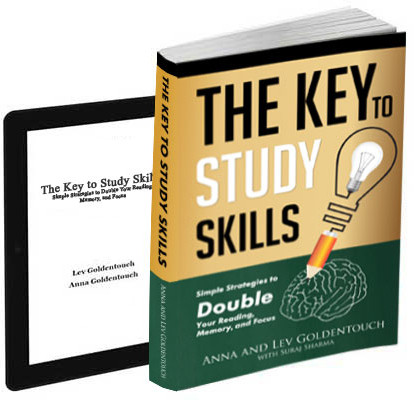
Get 4 Free Sample Chapters of the Key To Study Book
Get access to advanced training, and a selection of free apps to train your reading speed and visual memory