
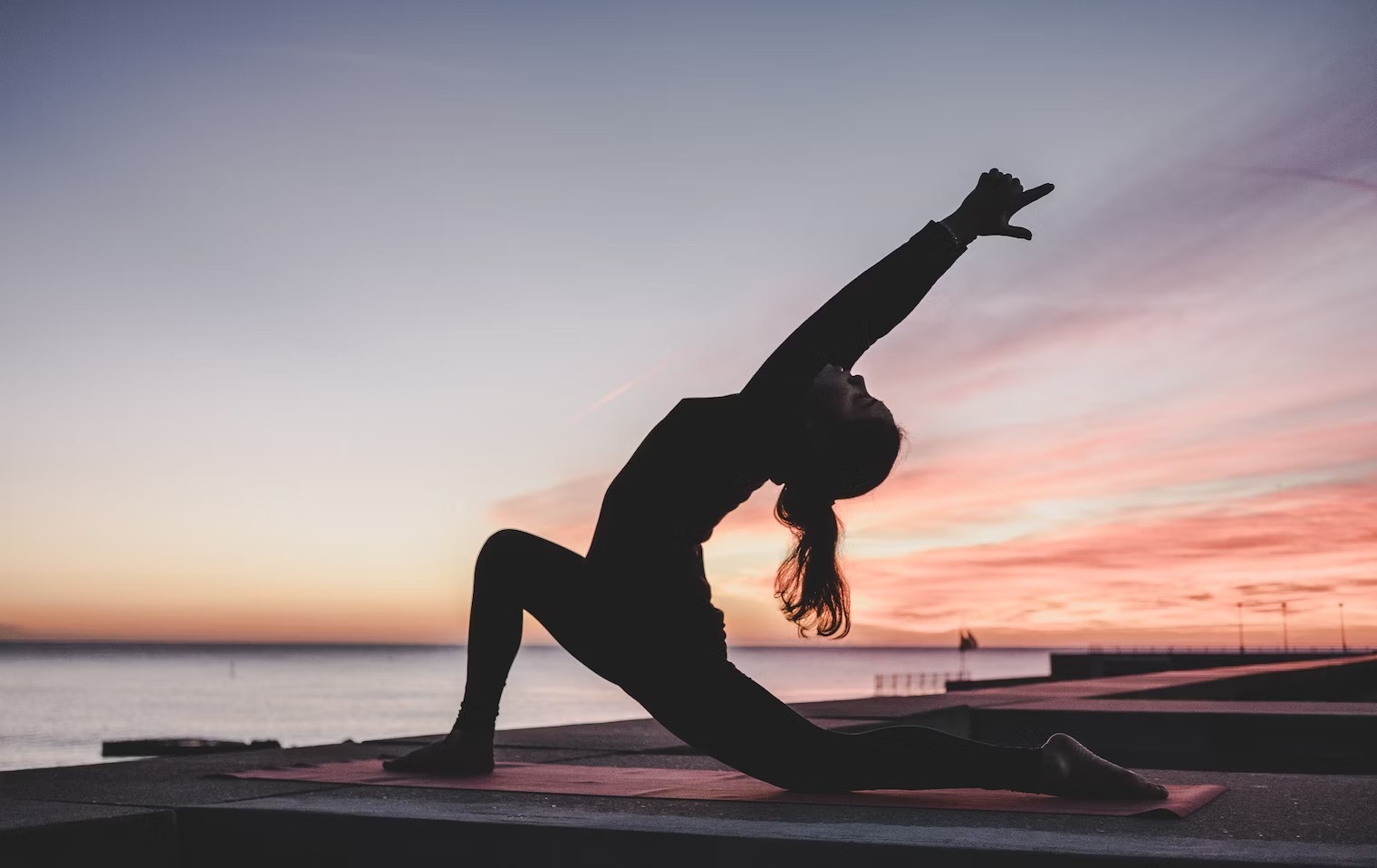
Yoga has gained immense popularity worldwide for its physical, mental, and spiritual benefits. It’s a practice that dates back thousands of years and has evolved into various forms and styles. Many individuals turn to yoga to improve flexibility, reduce stress, and enhance overall well-being. However, the question often arises: Is yoga enough to meet all your exercise and fitness needs? In this exploration, we will delve into the multifaceted aspects of yoga to assess its efficacy as a standalone fitness regimen.
The Physical Benefits of Yoga
Yoga encompasses a wide range of physical postures and movements that can improve flexibility, strength, and balance. Regular practice can lead to increased muscle tone and endurance. Poses like Downward Dog, Warrior, and Plank engage various muscle groups, helping individuals build lean muscle mass. The slow, controlled movements in yoga require both strength and balance, contributing to a well-rounded physical fitness routine.
Moreover, yoga is low-impact, making it suitable for people of all ages and fitness levels. Unlike high-impact activities, such as running or intense weightlifting, yoga is gentle on the joints and reduces the risk of injury. It’s an excellent choice for individuals recovering from injuries or those with joint issues.
The Mental and Emotional Benefits of Yoga
Beyond the physical aspects, yoga offers substantial mental and emotional benefits. It promotes mindfulness, stress reduction, and improved mental clarity. The practice encourages individuals to be present in the moment, letting go of worries and anxieties. This mental resilience can be particularly beneficial for those seeking holistic well-being.
Yoga also has a profound impact on the nervous system. Practices like deep breathing and meditation can activate the parasympathetic nervous system, which promotes relaxation and reduces the production of stress hormones like cortisol. Over time, this can lead to decreased stress levels, better sleep, and improved overall mental health.
Can Yoga Replace Cardiovascular Exercise?
While yoga offers numerous benefits, it may not be sufficient as the sole source of cardiovascular exercise. Cardiovascular exercise, which raises the heart rate and increases lung capacity, is crucial for maintaining a healthy cardiovascular system, burning calories, and improving stamina. Yoga does involve controlled breathing and can elevate the heart rate to some extent, but it may not provide the same cardiovascular benefits as running, cycling, or swimming.
To maintain a well-rounded fitness routine, individuals should consider incorporating cardiovascular activities in addition to yoga. Combining the two can help achieve a balance between strength, flexibility, and cardiovascular fitness. For those with limited time or physical constraints, there are hybrid yoga-cardio classes that incorporate elements of both disciplines.
The Role of Yoga in Weight Management
Yoga can be a valuable component of a weight management strategy. While it may not burn calories at the same rate as high-intensity cardio workouts, it does increase muscle tone, which can boost the metabolism. Additionally, yoga encourages mindfulness in eating and promotes a healthy relationship with food, potentially reducing overeating and emotional eating.
Some styles of yoga, like Vinyasa or Power Yoga, are more physically demanding and can contribute to calorie expenditure. However, for individuals seeking rapid weight loss, a combination of yoga with high-intensity cardio and a well-balanced diet may be more effective.
Building Core Strength and Flexibility
One area where yoga excels is in building core strength and flexibility. Core strength is essential for maintaining good posture and preventing back pain. Many yoga poses require a strong core, including balancing postures like Tree Pose and core-engaging postures like Boat Pose. Consistent practice can lead to significant improvements in core strength, which can have positive effects on overall fitness.
Flexibility is another key aspect of fitness, and yoga is unparalleled in this regard. Regular stretching and flexibility-focused poses help individuals achieve a wider range of motion, which can reduce the risk of injury during other physical activities. Improved flexibility can also enhance athletic performance in sports like running, tennis, and golf.
The Importance of Cross-Training
To determine if yoga is enough for your exercise and fitness needs, it’s crucial to consider your specific goals and preferences. While yoga provides many physical and mental benefits, it may not fully address all aspects of fitness. To create a well-rounded fitness routine, many experts recommend cross-training, which involves incorporating a variety of activities into your regimen.
Cross-training not only helps prevent boredom but also targets different muscle groups and fitness components. For instance, adding strength training, cardiovascular exercise, or high-intensity interval training (HIIT) to your routine can complement the benefits of yoga.
Different Types Of Yoga
Yoga is a holistic practice that encompasses various styles and approaches to promote physical, mental, and spiritual well-being. While the fundamental goal of all yoga styles is to unite the body, mind, and spirit, there are numerous types of yoga that cater to different needs, preferences, and abilities. In this exploration of yoga, we will delve into some of the most prominent and diverse styles of this ancient practice.
- Hatha Yoga: Hatha yoga is one of the most foundational and widely practiced forms of yoga. It focuses on physical postures (asanas) and breathing techniques (pranayama). Hatha classes are typically slow-paced, making them suitable for beginners. This style helps improve flexibility, balance, and overall physical strength.
- Vinyasa Yoga: Also known as flow yoga, vinyasa yoga links breath with movement. It is characterized by a dynamic sequence of postures, each seamlessly flowing into the next. Vinyasa yoga builds cardiovascular fitness, enhances flexibility, and encourages a meditative flow.
- Bikram Yoga: Bikram yoga consists of a specific series of 26 postures and two breathing exercises practiced in a room heated to high temperatures. The heat promotes detoxification, flexibility, and deep muscle stretching. Bikram yoga is known for its intense, challenging nature.
- Ashtanga Yoga: Ashtanga is a vigorous, physically demanding practice that involves a predefined sequence of postures, focusing on breath and movement synchronization. It builds strength, stamina, and concentration. Ashtanga is a progressive practice, with students gradually advancing through different series.
- Iyengar Yoga: Developed by B.K.S. Iyengar, this style emphasizes precision and alignment in poses. It often uses props like belts and blocks to help students achieve correct alignment and flexibility. Iyengar yoga is ideal for those recovering from injuries or seeking therapeutic benefits.
- Kundalini Yoga: Kundalini yoga aims to awaken dormant energy at the base of the spine and channel it upward through the chakras. It combines postures, breathwork, chanting, and meditation. Kundalini is known for its transformative and spiritual nature.
- Yin Yoga: Yin yoga is a slow-paced practice that focuses on holding postures for an extended period, typically 3-5 minutes. It targets the connective tissues and aims to increase flexibility and release deep tension. Yin yoga is an excellent complement to more active forms of yoga.
- Restorative Yoga: Restorative yoga is all about relaxation and rejuvenation. It involves a handful of restful poses supported by props like blankets and bolsters, promoting deep relaxation and stress relief. It’s beneficial for reducing anxiety and improving sleep.
- Prenatal Yoga: Designed for expectant mothers, prenatal yoga helps alleviate pregnancy discomfort, increase strength, and prepare the body for childbirth. It focuses on safe and gentle poses, breathing, and relaxation techniques.
- AcroYoga: A fusion of yoga, acrobatics, and Thai massage, AcroYoga is a partner-based practice. It cultivates trust, balance, and communication between partners. AcroYoga classes involve flying and basing roles, making it an exciting and engaging form of yoga.
- Jivamukti Yoga: Jivamukti yoga integrates physical postures with spiritual teachings, music, and meditation. It emphasizes ethical living, environmental awareness, and social activism. It’s a holistic practice that extends beyond the mat.
- Aerial Yoga: Aerial yoga uses suspended silk hammocks to support and enhance traditional yoga postures. It offers a unique combination of yoga, dance, and aerial arts. Aerial yoga provides a sense of weightlessness and challenges balance and strength in new ways.
Should I Practice yoga everyday if I workout?
Practicing yoga daily alongside your regular workout routine can offer numerous benefits, but whether you should do it depends on your specific goals and needs. Yoga and traditional workouts complement each other in various ways. Yoga enhances flexibility, balance, and mental clarity, making it a valuable addition to your fitness regimen.
Daily yoga can help prevent injuries, reduce muscle soreness, and improve overall mobility. It also aids in stress reduction and promotes relaxation, which is crucial for recovery. Incorporating short, focused yoga sessions before or after your workouts can be especially effective.
However, it’s essential to listen to your body and avoid overtraining. If your workouts are highly intense, you might want to schedule rest days for pure recovery, mixing in yoga on those days instead. Ultimately, the choice to practice yoga daily should align with your fitness goals and personal preferences.
Conclusion
Yoga is undoubtedly a valuable practice for enhancing flexibility, strength, mental clarity, and overall well-being. However, whether it’s enough to meet your exercise and fitness needs depends on your goals and preferences. For those seeking cardiovascular fitness or rapid weight loss, yoga alone may not suffice, and it’s advisable to incorporate other forms of exercise. Nevertheless, for individuals looking to improve core strength, flexibility, and overall mental and physical health, yoga can play a central and fulfilling role in their fitness journey. Ultimately, the key to fitness success lies in finding a balance that works for your unique body and lifestyle, which may include the incorporation of yoga alongside other forms of exercise.


Get 4 Free Sample Chapters of the Key To Study Book
Get access to advanced training, and a selection of free apps to train your reading speed and visual memory