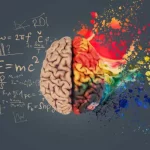
Drawing is one of the most natural forms of human expression, a primal skill that starts in childhood. As children, we instinctively pick up pencils, sketch shapes, and translate our thoughts into visual form. This process helps develop hand-eye coordination, spatial awareness, and creative thinking. However, as we grow older, criticism, self-doubt, and academic pressure …
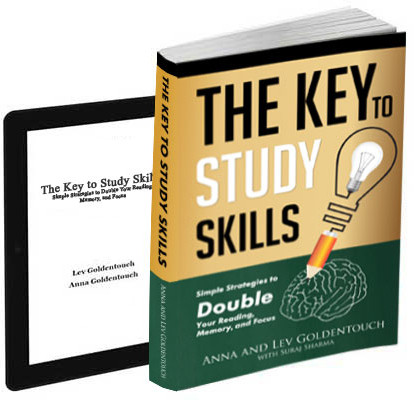
KeyToStudy Offers:
Memory, Speedreading, and Analysis
KeyToStudy Overview:
Memory, Speedreading, and Analysis
ProlificFocus Overview:
Productivity, Motivation, and Projects
ProlificFocus Offers:
Productivity, Motivation, and Projects
Learn to Think Across Disciplines and See What Others Miss
Train Your Brain to Connect Ideas from Every Field In an age driven by hyper-specialization, the ability to think across disciplines is not just rare—it is revolutionary. Every problem we face today, from climate change to artificial intelligence, demands a broader lens than any single domain can offer. Yet most people continue to view the …
Continue reading “Learn to Think Across Disciplines and See What Others Miss”
Polymath – Train Your Mind to Master Anything and Succeed Everywhere
Think Like a Polymath and Transform Your Life Forever What if you could think like a scientist, create like an artist, strategize like an entrepreneur, and feel deeply like a philosopher — all within the same mind? What if your greatest strength wasn’t your title, your degree, or even your job… but your ability to …
Continue reading “Polymath – Train Your Mind to Master Anything and Succeed Everywhere”
Help Your Child Become a Creative and Logical Thinker
Raise a Polymath by Encouraging Play and Curiosity Early Raising a child who can dream wildly yet reason clearly is not just a parenting goal—it’s a long-term investment in their future. In today’s world, children are often pushed to excel in tests, memorize facts, and stay within the lines. But the true magic happens when …
Continue reading “Help Your Child Become a Creative and Logical Thinker”
Choosing Values for Growth in Polymathic Thinking
Our values are the foundation of every decision, pursuit, and challenge we face. For polymaths, choosing the right values is especially critical. With interests spread across multiple areas, we need a clear, internal guide to ensure our passions align with a meaningful purpose. Without such values, it’s easy to become distracted, chasing after passing interests …
Continue reading “Choosing Values for Growth in Polymathic Thinking”
Characteristics Of Creative And Innovative People
The characteristics of creative and innovative people are those aspects that have to do with the ability to invent tangible or intangible things and to generate innovative solutions to problems. A creative person usually has few mental barriers, does not accept the status quo and is open-minded Creativity is what helps us have new ideas, …
Continue reading “Characteristics Of Creative And Innovative People”
Language as a Key to Polymathic Mastery: The Power of Symbolic Communication
When people talk about language, they typically think of spoken or written words—languages like English, French, or Mandarin. Some might even stretch this definition to include constructed languages like Klingon or Esperanto. However, not many people extend this understanding to the symbolic languages of mathematics and computer programming, which are equally powerful, expressive, and foundational …
Continue reading “Language as a Key to Polymathic Mastery: The Power of Symbolic Communication”
My advice for a young programmer
Programming is more than just writing lines of code—it’s a long-term mental discipline that blends logic, creativity, and resilience. For beginners, it often feels overwhelming: syntax errors, strange bugs, and the constant feeling that everyone else “gets it” faster. But the truth is, even seasoned developers once struggled through the basics. This article summarizes top …
Visual Thinking Across Cultures: Chinese Hieroglyphs vs. Western Mnemonics
Different cultures have evolved remarkably distinct systems of thinking, learning, and visualizing. Nowhere is this more evident than in the contrast between Chinese hieroglyphic visualizations and Western mnemonic systems. While Western learners often rely on letter-based wordplay, acronyms, or phonetic tricks to aid memory, Chinese thinkers leverage highly visual, symbolic, and holistic approaches to encoding …
Continue reading “Visual Thinking Across Cultures: Chinese Hieroglyphs vs. Western Mnemonics”
Retention vs analysis
When we talk about retention, we’re referring to how much detail we can recall after reading an article. Comprehension and retention often intertwine, yet they serve different purposes. While comprehension ensures we understand the material, retention ensures we can use it when needed. A helpful breakdown of these two skills is explored further in this …